
Our vision for safe sleeping.
Sleep is important for the health, growth and wellbeing of young children. Research shows that sleeping at childcare represents a significant change for babies. That is why we do everything possible to make your child feel safe, secure and relaxed.
We work in accordance with the relevant laws and regulations. In addition, we also follow the guidelines from various agencies such as VeiligheidNL, the Dutch organisation for safety and injury prevention, and Nederlands Centrum Jeugdgezondheid (NCJ), the Dutch centre for child and youth health.
We believe it is important that you, as a parent, know exactly how we handle sleep. That is why we would like to take you through our guidelines. We understand these might be different from what you are used to at home. If this is the case, we advise you to help your child get used to the new situation. This makes the transition from sleeping at home to sleeping at childcare a lot easier.
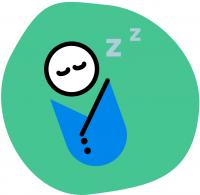
4x safe sleeping
VeiligheidNL’s 4 Safe Sleeping Rules (4 van Veilig Slapen) are the most important sleep guidelines, providing four recommendations that reduce the risk of cot death. We have summarised them below.
- Children sleep in a sleeping bag, as this is safest and keeps their face uncovered at all times. Extra bedding is not needed.
- Children sleep in a safe, empty bed: without cuddly toys or pillows that could obstruct the child’s face.
- Children sleep on their back: this is the safest sleeping position and reduces the risk of cot death.
- We monitor: we check on the sleeping children at least every 15 minutes.
A sleeping bag from home
With us, children up to 2 years old sleep in a sleeping bag. This is the safest way and helps your child feel secure. A sleeping bag from home is extra comforting because the familiar smell and material help your child to relax. Less stress means calmer sleep, and that is beneficial.
The sleeping bag from home must also meet certain guidelines, so that we can ensure safe sleep together. You can read the safe sleeping bag checklist here.
If you are using a swaddling wrap or swaddle bag such as a Puckababy, Woombie, or Ergococoon, please read the chapter on swaddling.
Sleeping on stomach or side.
We put the children to sleep on their back. They will only be placed on their stomach if parents can show a written statement from a medical specialist. This should state that the child must sleep on their stomach/side for medical reasons. Advice from a health visitor or baby clinic (consultatiebureau) will not be accepted.
Swaddling.
Swaddling means wrapping a child from shoulders to feet. There are two ways to swaddle a child: using a swaddle blanket (traditional) or a swaddle wrap or swaddle bag. A swaddle wrap or swaddle bag is a sleeping bag that prevents arm movements such as those from Puckababy, Woombie, or Ergococoon, for instance. At Korein, we do not use this method of swaddling.
We only use the traditional swaddling method if we receive a written statement from a medical specialist. Advice from a health visitor or baby clinic (consultatiebureau) will not be accepted.
Restraining: or using restraints on children.
Natural movement is important, that is why we do not restrain children. Restraints will only be used if we receive a written statement from a medical specialist. This should state that the child must be restrained for medical reasons. Again, advice from a health visitor or baby clinic (consultatiebureau) will not be accepted.
Cuddly toys and pacifiers.
Children up to 2 years old sleep in bed without stuffed toys. We do this to avoid the danger of suffocation. Special cuddly blankets and small stuffed toys are allowed. A pacifier with a cord or cloth is also allowed. It is important that a cord, cloth or stuffed toy without filling is no larger than +/-10 cm, and has no loose parts.
Jewellery and medical devices.
Jewellery, pins, beads, and hair ties increase the risk of chocking in bed. That is why these are not worn in bed here. If your child has earrings, wears jewellery for religious reasons, or has a medical device such as a hearing aid, please let us know when your child starts childcare with us. Our pedagogic professionals will work with you to find a good solution.
Sling or ergonomic carrier.
At some branches, your child can also be carried in a sling. Please contact your branch to discuss the options.
Outdoor sleeping.
At some branches, your child can also sleep outside. Please contact your branch to discuss the options.
For more information on healthy and safe sleeping, go to VeiligheidNL.
Our vision for safe sleeping.
 Sleep is important for the health, growth and wellbeing of young children. Research shows that sleeping at childcare represents a significant change for babies. That is why we do everything possible to make your child feel safe, secure and relaxed.
We work in accordance with the relevant laws and regulations. In addition, we also follow the guidelines from various agencies such as VeiligheidNL, the Dutch organisation for safety and injury prevention, and Nederlands Centrum Jeugdgezondheid (NCJ), the Dutch centre for child and youth health.
We believe it is important that you, as a parent, know exactly how we handle sleep. That is why we would like to take you through our guidelines. We understand these might be different from what you are used to at home. If this is the case, we advise you to help your child get used to the new situation. This makes the transition from sleeping at home to sleeping at childcare a lot easier.
4x safe sleeping
VeiligheidNL’s 4 Safe Sleeping Rules (4 van Veilig Slapen) are the most important sleep guidelines, providing four recommendations that reduce the risk of cot death. We have summarised them below.
- Children sleep in a sleeping bag, as this is safest and keeps their face uncovered at all times. Extra bedding is not needed.
- Children sleep in a safe, empty bed: without cuddly toys or pillows that could obstruct the child’s face.
- Children sleep on their back: this is the safest sleeping position and reduces the risk of cot death.
- We monitor: we check on the sleeping children at least every 15 minutes.
A sleeping bag from home
With us, children up to 2 years old sleep in a sleeping bag. This is the safest way and helps your child feel secure. A sleeping bag from home is extra comforting because the familiar smell and material help your child to relax. Less stress means calmer sleep, and that is beneficial.
The sleeping bag from home must also meet certain guidelines, so that we can ensure safe sleep together. You can read the safe sleeping bag checklist here.
If you are using a swaddling wrap or swaddle bag such as a Puckababy, Woombie, or Ergococoon, please read the chapter on swaddling.
Sleeping on stomach or side.
We put the children to sleep on their back. They will only be placed on their stomach if parents can show a written statement from a medical specialist. This should state that the child must sleep on their stomach/side for medical reasons. Advice from a health visitor or baby clinic (consultatiebureau) will not be accepted.
Swaddling.
Swaddling means wrapping a child from shoulders to feet. There are two ways to swaddle a child: using a swaddle blanket (traditional) or a swaddle wrap or swaddle bag. A swaddle wrap or swaddle bag is a sleeping bag that prevents arm movements such as those from Puckababy, Woombie, or Ergococoon, for instance. At Korein, we do not use this method of swaddling.
We only use the traditional swaddling method if we receive a written statement from a medical specialist. Advice from a health visitor or baby clinic (consultatiebureau) will not be accepted.
Restraining: or using restraints on children.
Natural movement is important, that is why we do not restrain children. Restraints will only be used if we receive a written statement from a medical specialist. This should state that the child must be restrained for medical reasons. Again, advice from a health visitor or baby clinic (consultatiebureau) will not be accepted.
Cuddly toys and pacifiers.
Children up to 2 years old sleep in bed without stuffed toys. We do this to avoid the danger of suffocation. Special cuddly blankets and small stuffed toys are allowed. A pacifier with a cord or cloth is also allowed. It is important that a cord, cloth or stuffed toy without filling is no larger than +/-10 cm, and has no loose parts.
Jewellery and medical devices.
Jewellery, pins, beads, and hair ties increase the risk of chocking in bed. That is why these are not worn in bed here. If your child has earrings, wears jewellery for religious reasons, or has a medical device such as a hearing aid, please let us know when your child starts childcare with us. Our pedagogic professionals will work with you to find a good solution.
Sling or ergonomic carrier.
At some branches, your child can also be carried in a sling. Please contact your branch to discuss the options.
Outdoor sleeping.
At some branches, your child can also sleep outside. Please contact your branch to discuss the options.
For more information on healthy and safe sleeping, go to VeiligheidNL.